- Founders House
- Posts
- 6 NYC startup trends from 300+ founder applications (with data)
6 NYC startup trends from 300+ founder applications (with data)
What founders are actually building, why they're coming to NYC, and what they all keep asking for.
Damian Tenuta & Louisa Li
March 12, 2026
If you want to know where NYC startups are headed, don't read a VC trend report. Read 300+ founder applications.
We've been reviewing every application that comes in for Founders House, a work and social wellness club for founders with a sauna, cold plunge, and yoga.
This week we decided to actually analyze them: what people are building, why they want to join, what they care about. A clear picture emerged.
Here’s what we found.
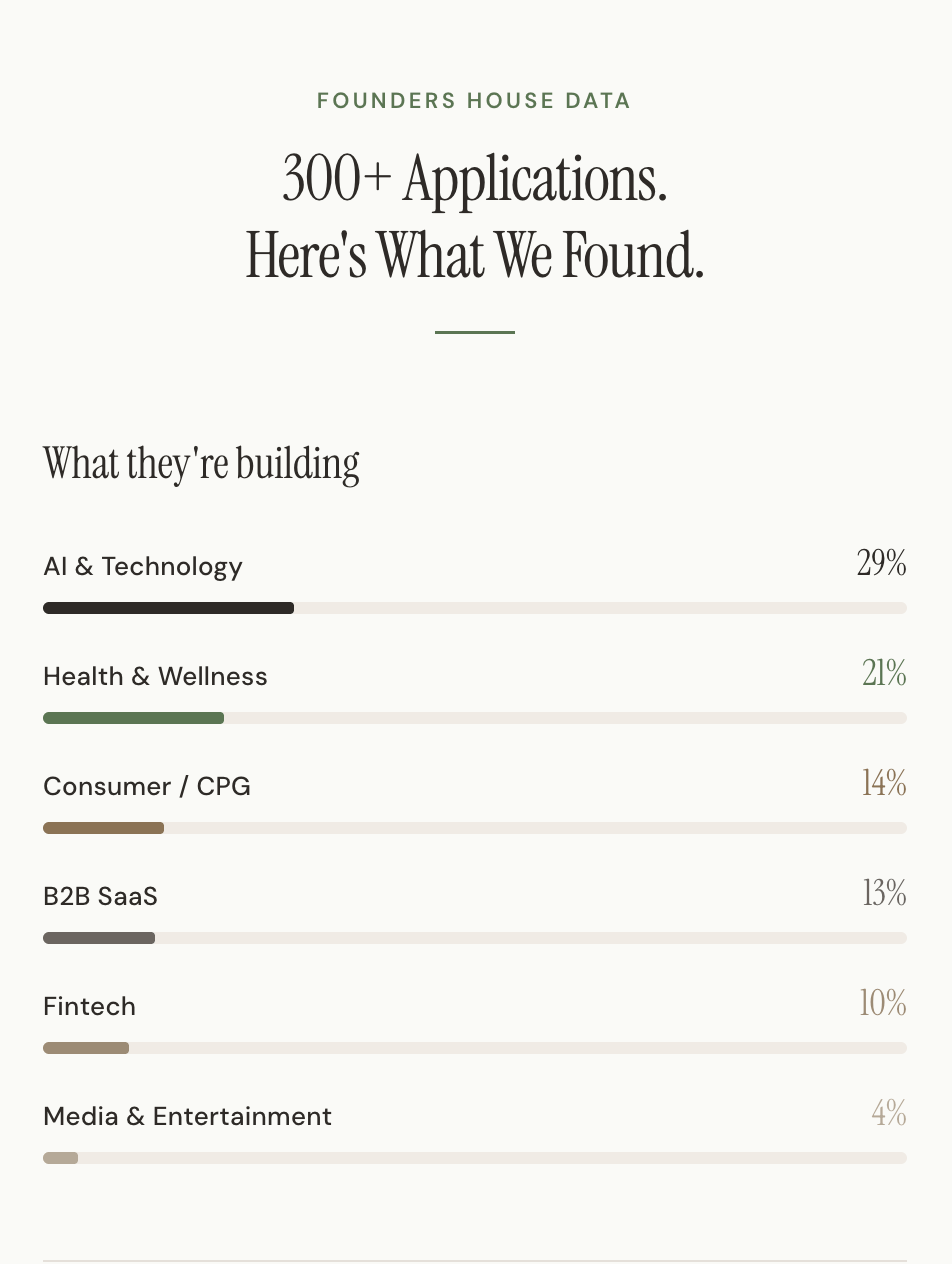
1. AI isn’t the product, it’s a tool.
29% of our applicants are building with AI. But almost none of them would call themselves "AI founders." They're a physician using AI to cut autoimmune diagnosis from 4.6 years to days. A nurse practitioner who built AI to fix surgical workflow visibility in the OR. A teacher who got tired of spending weekends grading papers and built an AI tool that hit $1M ARR serving 10,000 teachers.
The pattern is the same every time. Deep domain expertise plus a personal grudge against how things work. AI is just what makes the solution possible at scale. Healthcare, finance, sales and marketing, legal, education. Every one of them could explain the broken system at length before they even mention the technology.
The core of startups remains the same: build something people want.
2. Wellness isn't just a trend.
Roughly 20% of all projects touch health or wellness. And it's not meditation apps. It's a venture-backed functional medicine and longevity company. A hormone-friendly meal delivery service designed around the menstrual cycle. An employee health optimization platform. A longevity-focused health insurance product for startups. An AI behavioral health platform integrating with primary care. Clean energy drinks powered by ketones.
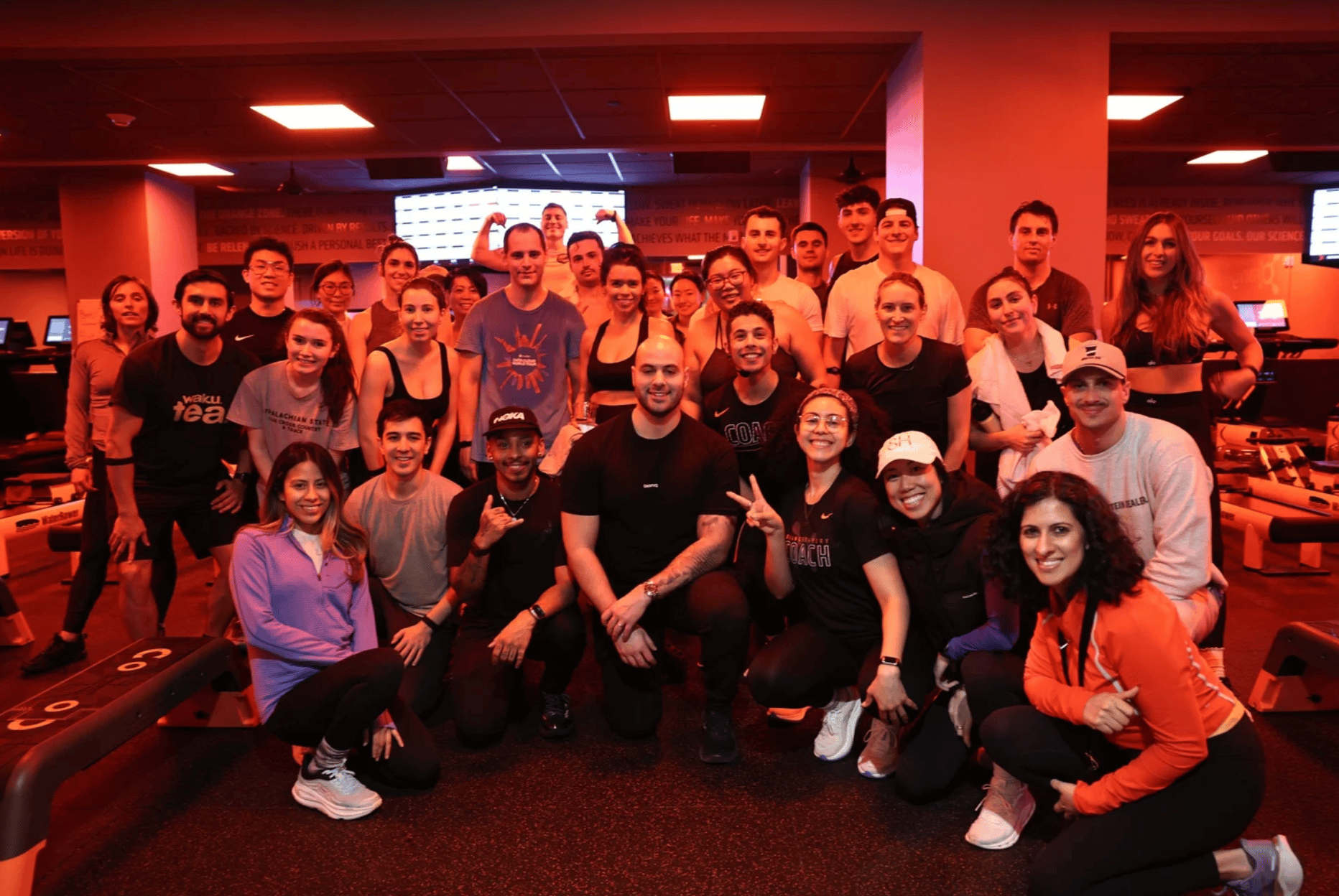
A group workout class we hosted for founders at Orange Theory.
But here's what makes it a real trend and not just a category. The founders building these wellness products are the same people writing that they need a wellness-focused space to build from. A woman who spent six years heads down in SF building a longevity company moved to NYC and said the first thing she's looking for is a health and wellness community. A guy building a neurodivergent wellness product said he wants a space at the intersection of wellness and entrepreneurship. They're not separating the mission from the lifestyle. They're living inside the thing they're selling.
3. You don't need permission to start anymore.
The barrier to building a company has collapsed. One founder started with $51 and generated $1.7M through organic content. Another coded her entire app solo with zero development experience while working a full-time job. Someone dropped out of college and bootstrapped to $2M ARR. A woman put $500K of her own money into a Manhattan-made luxury performancewear brand while finishing her MBA at Stern. A two-person team launched an app, ran marketing, and had paying users in six weeks.
These founders didn't wait for someone to write them a check. They built the thing, proved it worked, and put themselves in a position to raise from strength instead of desperation. A fundraise isn't the starting line anymore. It's the accelerant you earn after you've already proven you can build.
4. Women are building the products that didn't exist for them.
More and more projects are explicitly focused on the women's market. Cycle-synced meal delivery. An integrative health marketplace. Pelvic floor physical therapy concierge clinics. A studying app for college women with ADHD. A women's work and travel bag designed with smart compartments.
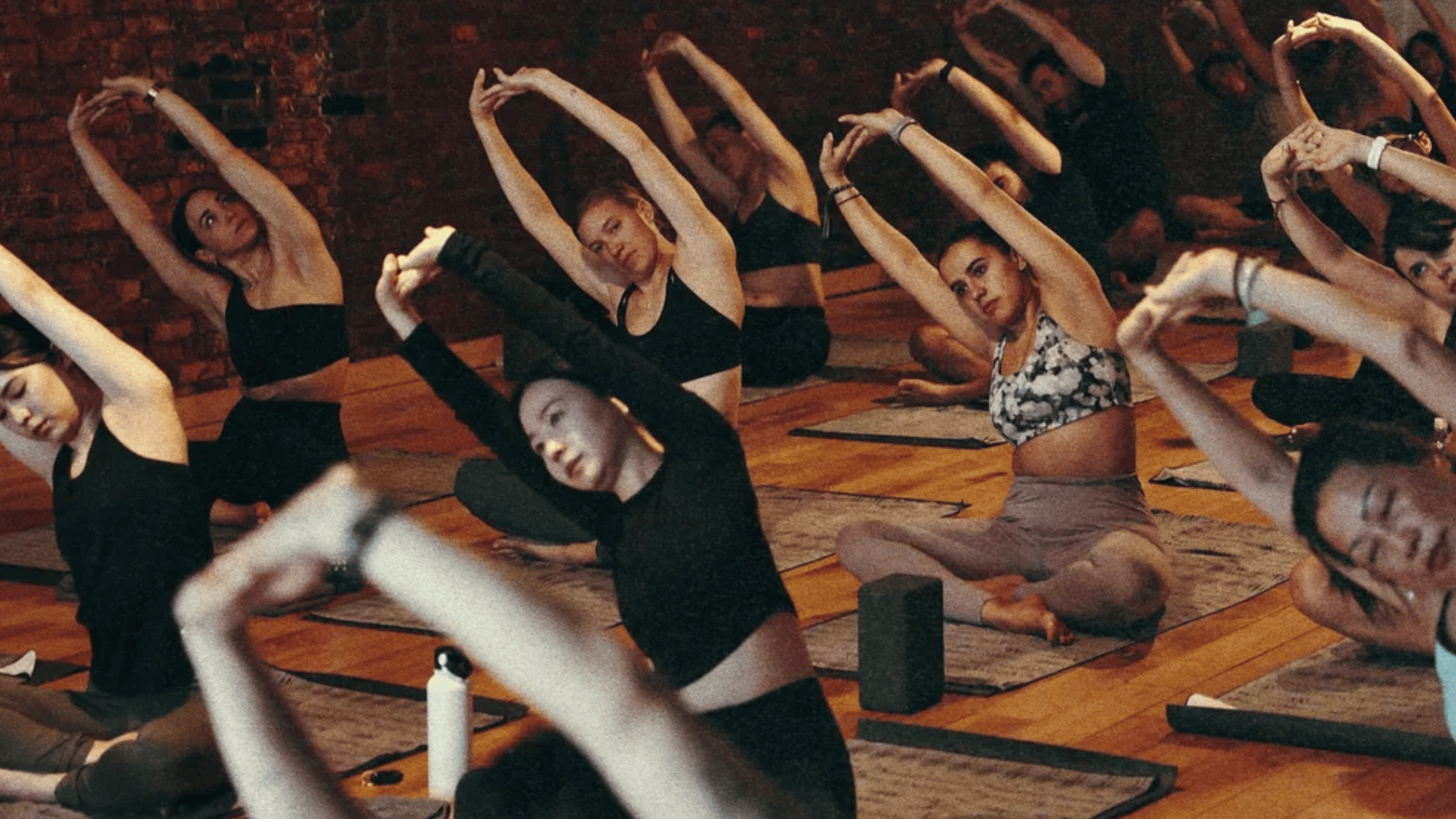
Shanti House yoga event led by Louisa
Each was born from a founder who experienced the gap personally and said I'll just build it myself. One applicant moved halfway around the world from Singapore to launch her footwear collection, prototyping by hand at home, funding it through $25K in Kiva loans.
5. People are moving to NYC specifically to build.
A huge wave of our applicants just arrived. From San Francisco, Atlanta, New Zealand, Singapore, Colombia, Sweden, Israel, India, Hong Kong. And they're not moving here for the nightlife. A founder from SF said she spent six years building heads down and moved to NYC to be intentional about her founder community. Someone flew in from Orlando because "this is not the place to really build." A two-person team relocated from Sweden four months ago to build their fintech here.
NYC is pulling founders in. When they land, the first thing they look for is community.
6. The corporate dropout is the new founder.
Startup lore glamorizes the 22-year-old straight out of Stanford with a pitch deck and a Bay Area network. We're seeing something different. A McKinsey engagement manager who left to build "something real." A Wall Street lawyer turned tech founder. A 20-year publishing executive launching a creator coaching platform. A marine who jumped out of helicopters now building a wellness events marketplace. A quantum physicist doing AI drug discovery. A Morgan Stanley banker who watched three family members lose access to coordinated care and quit to build the solution.
These are people who spent years inside the system, saw where it was broken, and decided to fix it themselves. They had the safe career, the title, the salary. But they chose to build anyway and the thing they learned in their previous life is the exact thing that gives them an edge. The McKinsey person knows how enterprises actually buy. The Wall Street lawyer knows how deals actually close. They lived the problem.
NYC spaces don’t work for founders
We also ask why they want to join Founders House. We expected practical answers like Coworking, investor intros, maybe a sauna mention. Almost nobody led with the physical space or features. They led with how they feel.
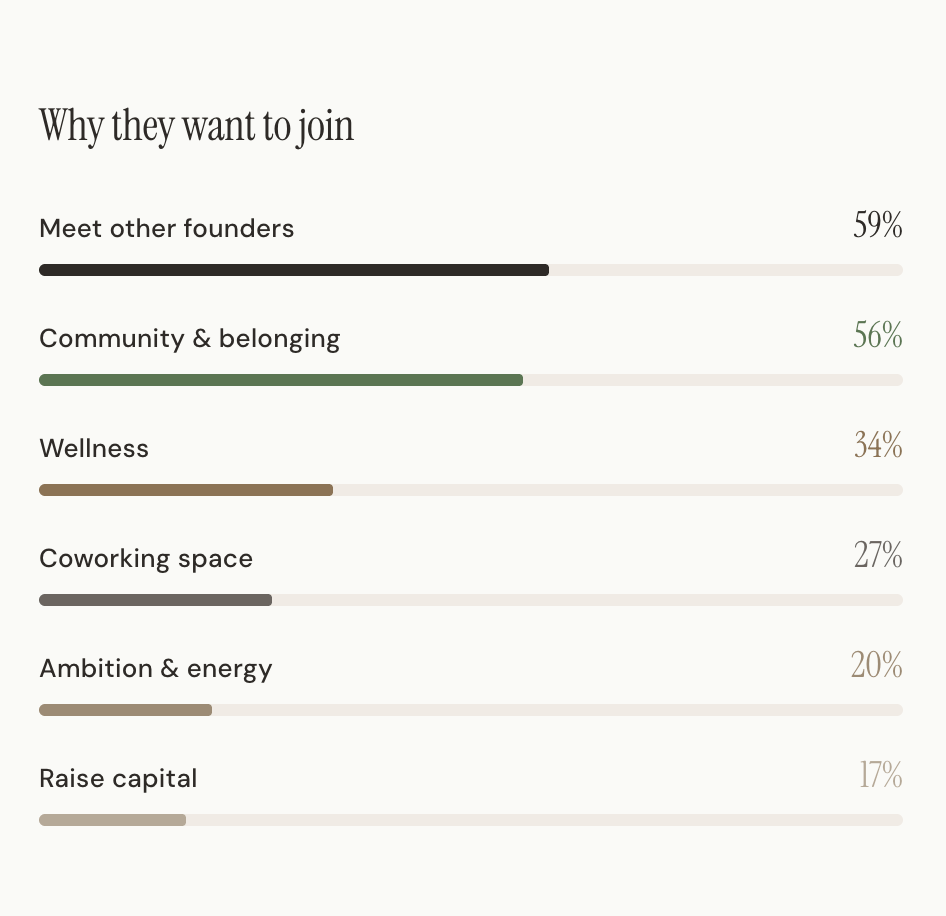
59% said they want to meet other founders. But they're not talking about networking or swapping LinkedIn profiles at another happy hour. They're talking about proximity to their people where nobody thinks you're crazy for leaving your job. The default state of everyone around you is building.
Founders want "community".
Community was said more than any other word in the dataset. Not networking. Not connections. Community. 56% used language about belonging. They said "home," "like-minded," "tribe." These are people who feel like they've been operating in a world that doesn't fully understand them and they're looking for the room where they finally do.
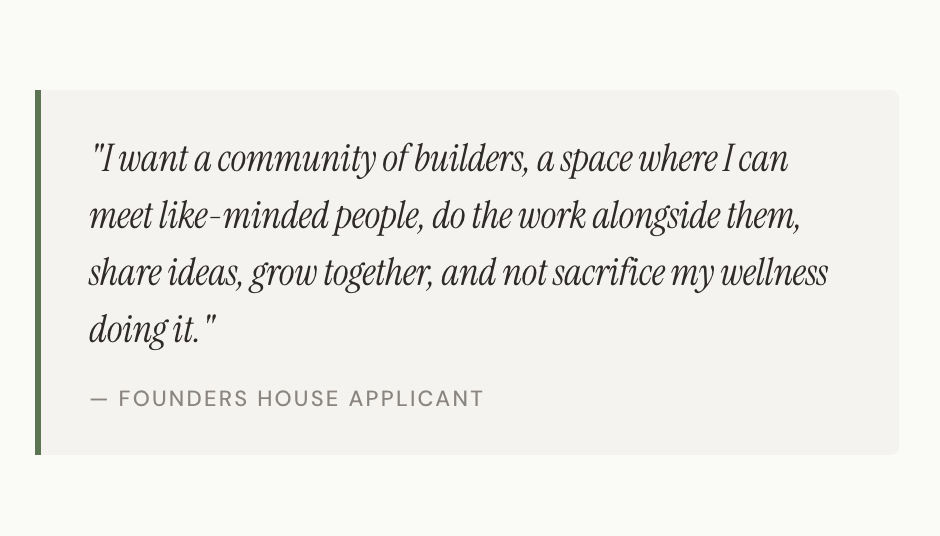
One founder wrote, "Building something from scratch is energizing and lonely in equal measure. I want to be around founders who get that." Another said, "The conversations in between meetings, the shared pressure, the quiet accountability that comes from being surrounded by people pushing themselves. Environment shapes belief. And belief compounds execution."
Wellness is essential.
A third of applicants mentioned wellness unprompted. Sauna, cold plunge, fitness, mental health. And this cut across every industry. 41% of fintech founders mentioned wellness. 33% of B2B SaaS. 32% of AI. The people building budgeting apps care about cold plunge just as much as the people building longevity companies.
One applicant said, "I initially had bad coping habits for stress and this year have found somatic practices and movement to be extremely helpful." Another: "Some of my best ideas come after a cold plunge." A third: "I really want to join a founders organization that isn't based around drinking and is more mindful."
Ambition is contagious.
One in five applicants talked about the energy of being around other ambitious people. They used the word contagious. They said things like "I need the environment to match my ambition" and "I thrive in spaces where there are other ambitious people."
You can't put this on a features page. But it's the belief you will be more focused and more productive simply because of who is sitting next to you. One founder nailed it: "I don't want my default workspace to be my apartment and solo decisions. I want a place that makes ambition feel normal."
The loneliest founders aren't the ones you'd expect.
Only 8% explicitly used the word lonely or isolated. But when you read between the lines, the feeling runs through 40% or more of the responses.

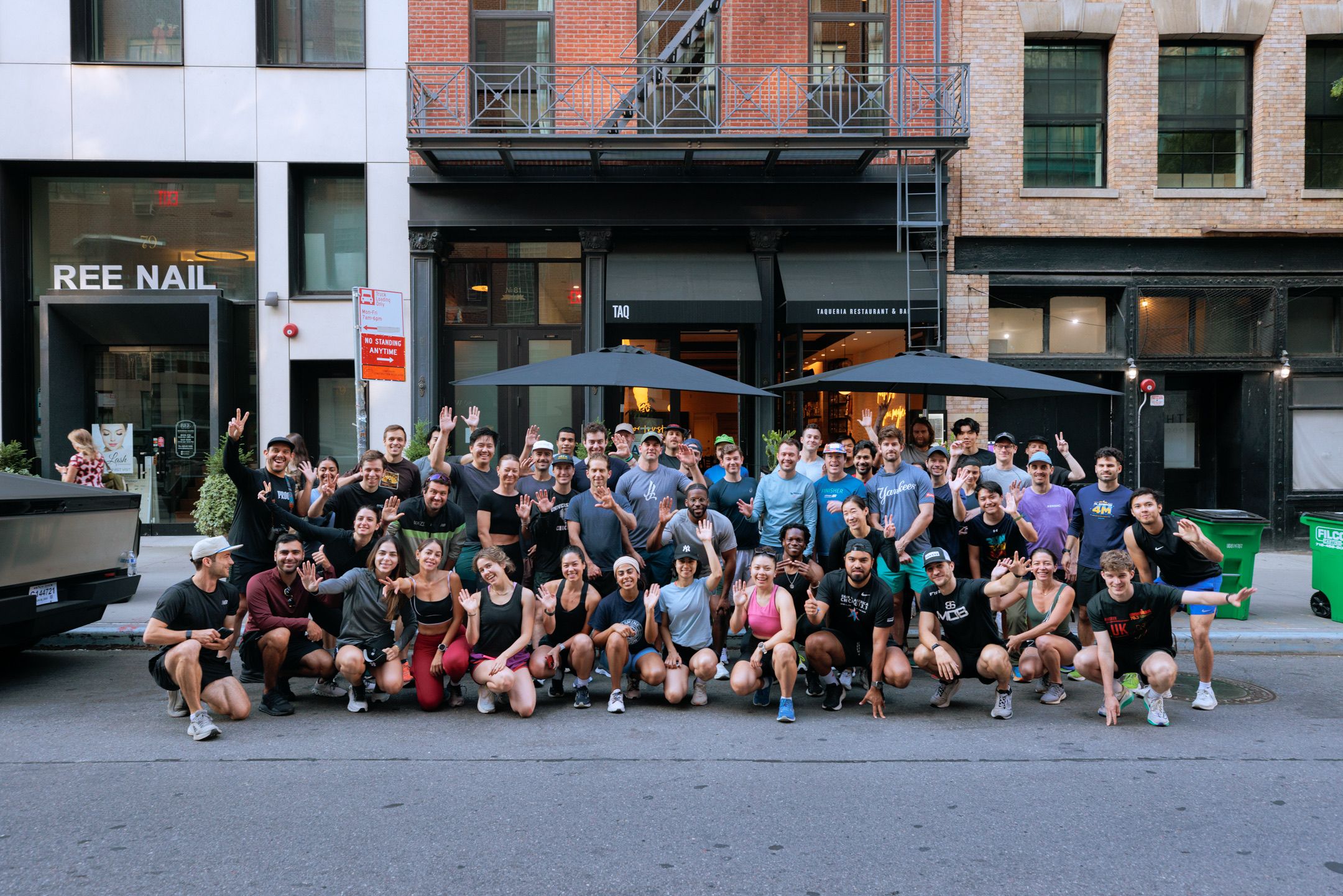
Entrepreneurs gather for coffee and conversations after a Founders Common run.
One founder wrote: "After reflecting on the last year I think I've been building way too much on my own, which hasn't been the best for mental health." Another: "Building is lonely. My problems and issues aren't as relatable to my friends in the corp world." And one that stopped me: "I want to find a home. By myself I'm actively connecting with founders on TikTok so it's great to finally have a place that I can call home."
Other spaces aren’t working for founders.
The ones who called out their current setup were brutal. "I've been working out of a stairway in this WeWork. Enough is enough." "I work out of a WeWork in Soho, no community." "I currently work out of Soho House, but I'd love a more builder-focused environment." "Looking for a place to build with like-minded folks that isn't Soho House or Casa Cipriani."
The experience we’re creating
Community, founders, and coworking are really the same need said three different ways: I want to be around other people who are building. No matter how someone described it, wellness kept showing up right next to it. That combination doesn't exist anywhere else.
One founder captured it perfectly: "A space like Founders House wouldn't be aspirational for me but rather a natural extension of how I already live. I'm looking for a place where building is the default."
Imagine walking into a HIIT class at 7:30 in the morning. You already know a few people in the room and before it starts you're catching up on founder life. Struggles with investors, cofounder tension, building 14 hours a day on something the world needs. Nobody thinks you're crazy. They just get it because they're doing the same thing.
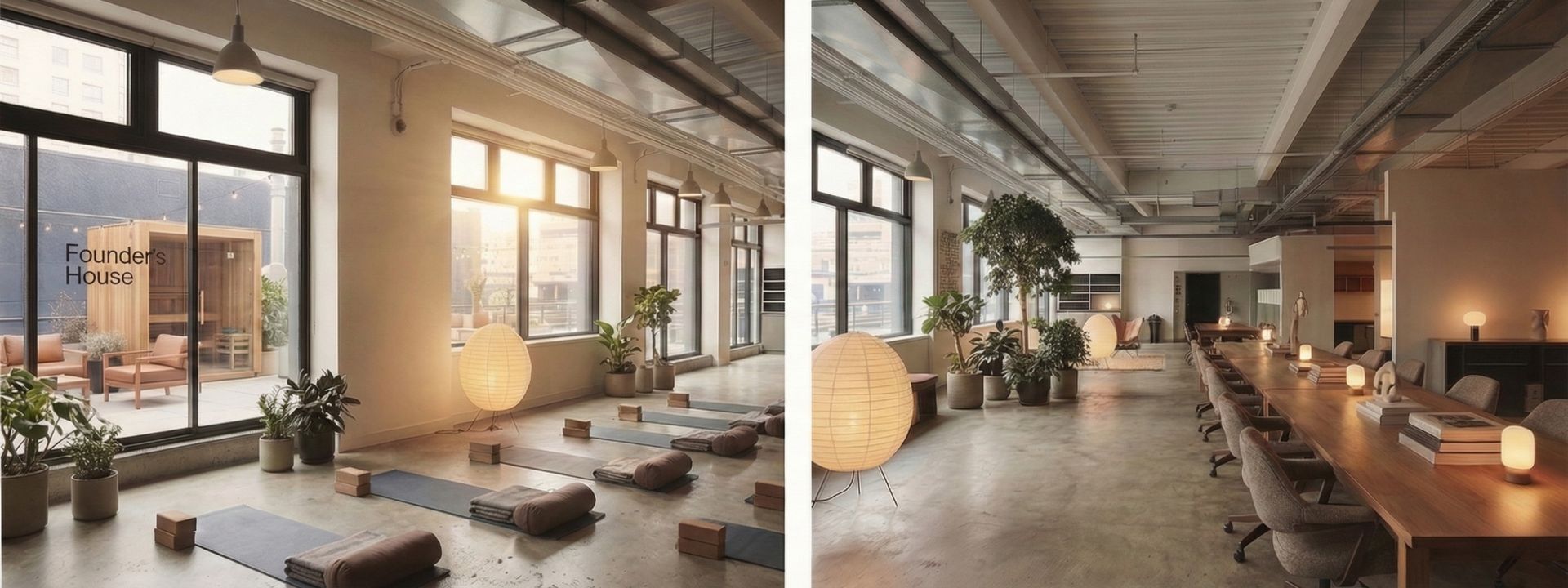
You walk into the work space and people are already deep in it. Laptops open, headphones on, building. You sit down and the energy does something to you. Halfway through the morning you grab your coffee and someone in the kitchen tells you about an AI workflow that saved them 10 hours a week. Just two builders exchanging ideas without an agenda because they happened to be in the same room.
Lunch rolls around and someone at the table just closed their first round and they're walking everyone through how it actually happened. This is the conversation your friends outside of this world can't give you. Not because they don't care but because they've never lived it.
That’s the vision. To create a place where the work, the wellness, the community and the ambition all exist in one place so you can stop piecing your life together across five different spots around the city.
Founding Memberships: First Batch Filled
We filled our first batch of founding members and prices have gone up, but pre-opening perks are still available if you get in now. That means access to every event before we open, extra guest passes, and permanent recognition as part of the House's DNA.
Your deposit is refundable if the House doesn't open and your first month comes with a satisfaction guarantee. Priority access at a price that won't exist once we open the doors.
Become an Owner
We're finishing up the community round and opening it to people who've been part of this from the start. Top tiers get lifetime access across all locations.
This is Testing the Waters, so no money is collected until we go live.
Damian & Louisa
Founders House is "testing the waters" to gauge investor interest in an offering under Regulation Crowdfunding. No money or other consideration is being solicited. If sent, it will not be accepted. No offer to buy securities will be accepted. No part of the purchase price will be received until a Form C is filed and only through Wefunder's platform. Any indication of interest involves no obligation or commitment of any kind.